Across the United States, twenty-five states have a law that requires the government to supply period products to public schools in some form, but those laws differ drastically in their implementation. In certain states, schools must request menstrual health supplies from the government, while in other states, the government must supply schools with a certain amount of period products. Recently, an addition was made to the number of states that already had laws in place: the state of Minnesota. The bill in Minnesota will require the state government to fund period products in all public and charter schools. This bill was a significant step forward for the state's existing human rights and menstrual rights.
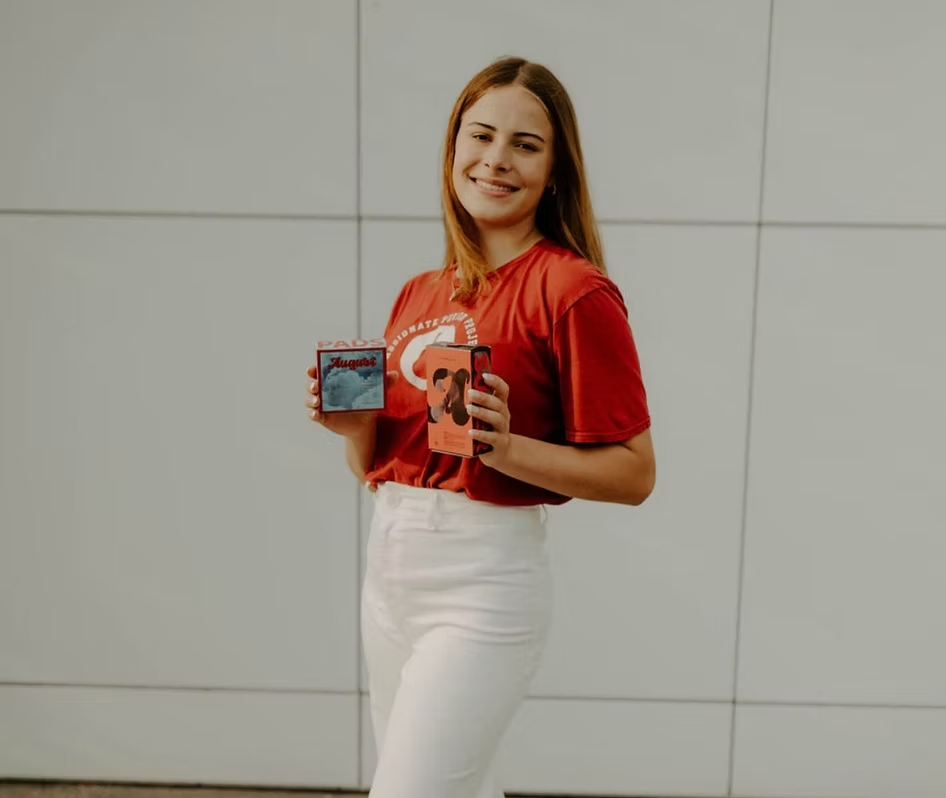
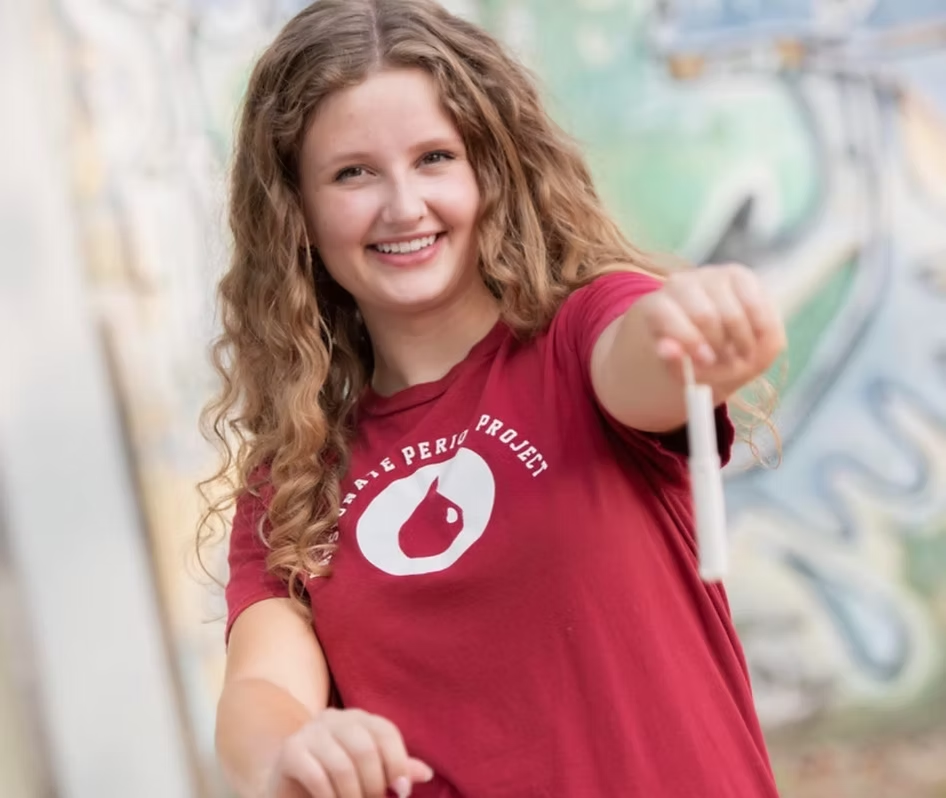
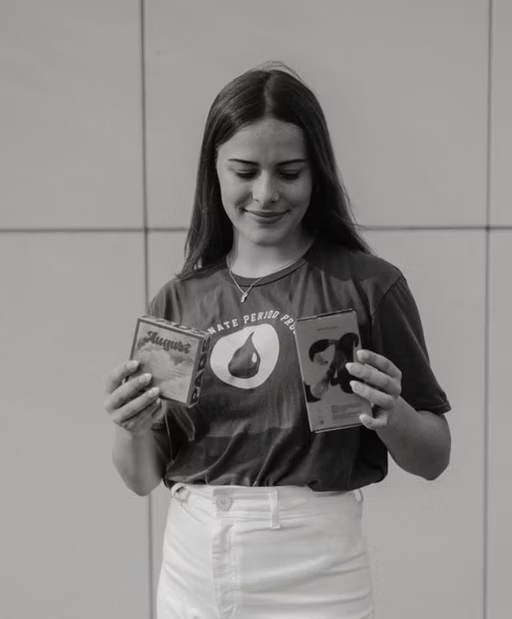
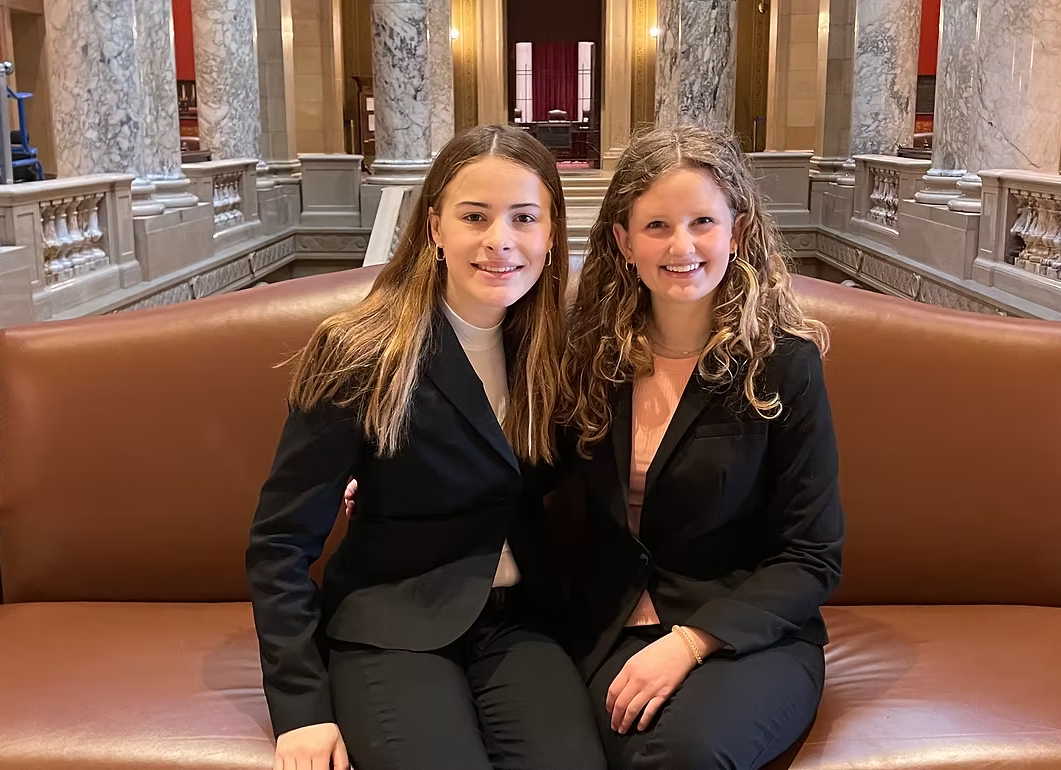
The bill to require funding for period products within public and charter schools was voted on twice. The first time the bill was voted on, it wasn't passed. The second time the bill was introduced, various groups, including Girl Scouts, Passionate Period Project, high school students, menstrual health advocates, and different Minnesota citizens, worked to show the necessity of getting this bill passed. Passionate Period Project, which provides free period products to the local high school and is funded entirely through donations, specifically advocated to senators and representatives about the need for passing the HF-44 bill. Passionate Period Project presented their work to the senators and representatives, demonstrating that two years following the implementation of free period products in their school, 97% of menstruators said they think period talk has been destigmatized because of Passionate Period Project. The group used these statistics to show the difference their project made in Mound Westonka High School and how passing the HF-44 bill would lead to decreased stigma around periods.
Although this bill's passing is a considerable success, it is still the first step. In Minnesota, no existing laws require the government to fund period products being placed in community buildings, workplaces, or universities. In addition, many U.S. states have yet to have a bill that will supply public schools with period products. The fight for menstrual health equity in the United States will only end once all fifty states have laws requiring period products in all public buildings and period products to be accessible and free for all menstruators. Scotland recently became the first country in the world to make period products free. Similarly, free period products in the U.S. is the final goal of many U.S. menstrual health advocates, and countries like Scotland are setting the bar for menstrual health rights worldwide. Many benefits come from period products being readily available in schools and in public.
What benefits come from menstruators having access to period products?
Benefits of accessible period products include students being more focused on their education, a significant decrease in vaginal infections, less poverty, and destigmatization of periods. According to the Alliance for Period Supplies, there was a 2.4% increase in attendance in New York schools that started requiring free period products. Although this percentage may seem minuscule, it dramatically increases how much time students spend in the classroom throughout the year. Alliance for Period Supplies also states that one out of every four students struggles to afford period products. If students need to pay for period products, they may potentially cost their family money that needs to be spent on other life necessities to keep families out of poverty, especially because food stamps and other government programs that help defray the cost of groceries do not cover menstrual hygiene products. People who menstruate may be forced to use toilet paper, paper towels, or even rags instead of pads or tampons to defray the costs of menstruating. In addition, anecdotally, many people who menstruate have experienced the surprise and discomfort of starting their period when they don't have access to menstrual hygiene products. By providing period products in schools and public spaces, menstruators don't need to be concerned about their period occurring in public.
People with heavy periods need to change their menstrual hygiene products more frequently than average. For them, they may face a significant financial burden, given that they may be using a box of tampons or pads every menstrual cycle. If they try to extend the life of their menstrual hygiene products by using the same pad or tampon all day, that may leave them vulnerable to vulvar irritation and vaginal infections, including toxic shock syndrome, which could be life threatening.
Historically, periods were constantly referred to as a taboo topic; they were also highly stigmatized. Menstruators felt as if having a period was shameful. Now, when states pass laws allowing for free period products, it shows how they have respect for menstruators, and periods are a subject that should be celebrated, taught, and spoken about.
How is menstrual health and sexual health education lacking in Minnesota and across the United States?
A primary issue in states across the US is the education that comes with menstrual and sexual health. This heavily avoided topic is one of the main reasons there are issues in the social construct and policies surrounding menstrual health rights. Although 50% of our population menstruates, there remains a significant amount of stigma around menstruation. Not only are young adults and children uneducated, but people who hold influential positions in the government are also uneducated about menstruation and the required menstrual hygiene products. Another problem is that teachers who are non-menstruators are typically not trained on what to do if a student has a period. Non-menstruating teachers don't usually have period products on hand if a student has a period emergency. So, not only do students need to be taught more about menstrual health, but teachers should also be trained to handle everyday situations with menstruators.
A central problem with our current education on periods is that how to use different period products is an avoided topic. The menstrual cycle is commonly taught, however many sections of menstrual health are avoided. For example, menstruators are often not taught how to put a tampon in or use a pad. They need to be taught the importance of self hygiene while on the period. This lack of education on such substantial topics leads to confusion and embarrassment in young menstruators. This is an issue for menstruators who don't have a person in their life whom they are comfortable asking period questions. According to Period.org's state of period study, 77% of students believe there needs to be more in depth education about menstrual health. The study also stated that 60% say they were prepared for their first period, while 40% felt confused and unprepared. These statistics show that schools are not doing their job in ensuring that every menstruator is equipped and ready for their first period. To educate menstruators better, they should give them emergency packs, resources for period education, and lessons on how to use various menstrual health products. Teachers should also reference menstruators to websites like the Period Education Project, a safe space for menstruators to learn about their natural processes. In fact, the Period Education Project states that only twenty-two states require medically accurate reproductive health education.
Providing menstrual hygiene products is one step in the path to ensuring menstrual health equity and remains a keystone in enabling people who menstruate to destigmatize menstruation. People who menstruate in all fifty states and all countries deserve access to free period products. Approximately fifty percent of the world's population menstruates, and it is time to move beyond cultural taboos and integrate this natural cycle into society.
Sources
- Period Education Project, Improving Menstrual Health Education. periodeducationproject.org. Accessed 31 July 2023.
- Period Products in Schools, Alliance for Period Supplies. 5 May 2022, allianceforperiodsupplies.org/period-products-in-schools.
- Period.org. period.org. Accessed 31 July 2023.
- Menstrual Health, Passionate Period Project. passionateperiodproject.org. Accessed 13 Oct 2023.